Types of Debt: 8 Essential Kinds Explained Simply
The types of debt you carry shape how much you pay, how flexible your payments are, and what you could lose if money gets tight. Debt is simply money you borrow now and promise to repay later, usually with interest or fees. Most households use some of it. A mortgage may make a home possible, an auto loan may get you to work, and a credit card may cover a bill before payday.
Debt is not automatically good or bad. The important questions are what it costs, what secures it, how flexible the payments are, and whether it fits your household budget. A credit card balance behaves differently from a fixed-rate mortgage. A medical bill may be negotiable, while a payday loan can become expensive within weeks.
This guide explains eight common types of household debt in plain language. It also covers good debt vs bad debt, the difference between secured and unsecured debt, and how to build a debt inventory so you can decide which balances deserve attention first. No judgment here: the goal is a clear list and a calm plan.
Types of Debt at a Glance: A Quick Comparison
Before digging into each one, here is how the eight most common types of debt compare. Use the table as a map, then read the sections below for the details that matter when you are planning a debt payoff.
|
Type of debt |
How it usually works |
Common cost pattern |
Main risk |
|
Credit card debt |
Borrow, repay, and borrow again up to a limit |
Variable interest; often high |
Minimum payments can prolong repayment |
|
Mortgage debt |
Long-term loan used to buy a home |
Fixed or adjustable interest |
The home secures the loan |
|
Auto loan debt |
Fixed loan used to buy a vehicle |
Regular payments for a set term |
The vehicle can be repossessed |
|
Student loan debt |
Borrowing for education |
Interest may accrue during pauses |
Payments can last for years |
|
Personal installment debt |
Lump sum repaid in installments |
Interest and possible fees |
Long terms can raise total cost |
|
Medical debt |
Balance owed for health care |
May start interest-free |
Billing errors and collections matter |
|
Payday or title debt |
Short-term loan based on income or a vehicle |
High fees and rollover costs |
A small emergency can become a cycle |
|
Buy now, pay later or retail debt |
Purchase split into several payments |
May be interest-free, with conditions |
Several plans can overwhelm cash flow |
Two ideas run through the whole table. First, is the debt secured by something you own? Second, is it revolving (reusable credit with no set end date) or installment (scheduled payments over a fixed term)? Once you can answer those two questions for every account, the rest of the plan gets much easier.
8 Types of Debt Explained
Here are the eight types of debt most U.S. households run into, with what each one is, how it costs you money, and what to check on your own statements.
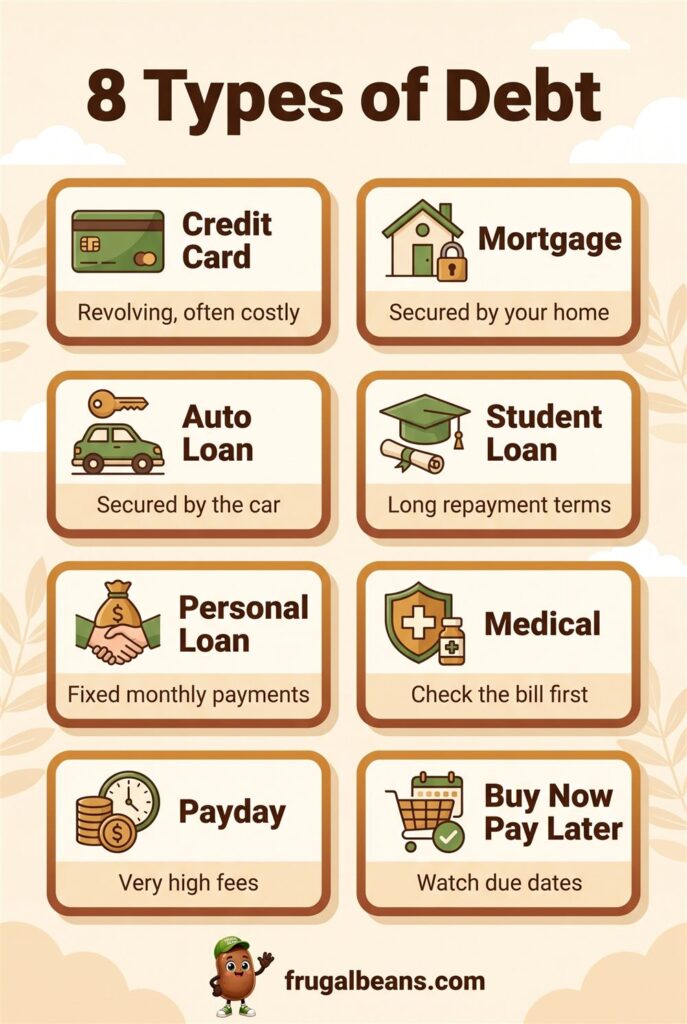
1. Credit Card Debt
Credit card debt is revolving debt. You receive a credit limit, spend against it, repay some or all of the balance, and regain available credit as you pay. Unlike an installment loan, it has no fixed payoff date unless you create one.
Credit cards can be useful when you pay the statement balance in full each month. Once you carry a balance, interest can make ordinary spending much more expensive. The annual percentage rate, or APR, is the yearly cost of borrowing shown as a percentage. Card APRs are often variable, so the rate can change.
Here is a simple illustration. If a card balance is $4,000 and the APR is 24%, interest alone works out to roughly $80 in the first month ($4,000 × 24% ÷ 12), depending on how the issuer calculates it. A minimum payment may keep the account current but stretch repayment over years. Charging new purchases while paying down the balance makes the job harder.
Review the balance, APR, minimum payment, due date, annual fee, promotional deadline, and penalty rate. A balance transfer can lower interest temporarily, but it may include a fee and an expiration date. Treat the lower rate as a chance to finish the balance, not as room for new spending.
2. Mortgage Debt
A mortgage is an installment loan used to buy or refinance real estate. It is secured debt because the home is collateral. If payments stop and the default is not resolved, the lender may eventually pursue foreclosure under applicable rules.
Mortgage payments commonly include principal and interest. Principal reduces what you borrowed. Interest is the cost of using the lender’s money. A payment may also include property taxes, homeowners insurance, mortgage insurance, or association charges, although those items are not all part of the loan itself.
A fixed-rate mortgage keeps its rate steady for the agreed term. An adjustable-rate mortgage can change after an initial period according to the contract. A lower starting payment is not necessarily a lower long-term cost, so check when adjustments occur and whether the future payment could fit your budget.
Mortgage debt often has a lower rate than credit card debt, but it is much larger and lasts longer. Paying extra principal can reduce total interest, yet a household should usually maintain an emergency reserve and address more expensive debt first. Be careful about using home equity to pay off ordinary spending balances: unsecured debt becomes debt backed by your home.
3. Auto Loan Debt
An auto loan finances a car, truck, or motorcycle and is usually secured by the vehicle. You make fixed payments over a set term while the lender holds a legal interest in the vehicle until repayment.
The monthly payment is not the whole cost. Consider the vehicle price, down payment, taxes, fees, rate, loan term, and total repayment. A longer term lowers the payment but increases interest and may leave you owing more than the vehicle is worth. This is called being upside down, or having negative equity. If the car is totaled or sold early, you may need extra money to cover the gap.
Include fuel, maintenance, insurance, registration, parking, and repairs in the transportation budget. If the payment works only when nothing goes wrong, the loan is probably too large.
4. Student Loan Debt
Student loans pay for tuition, fees, books, living costs, or other education expenses. They may come from a government program, school, bank, or private lender. Terms differ, so identify who owns and services each loan and read the current repayment notice. Federal repayment programs have changed several times in recent years, so rely on your servicer’s latest information rather than older articles.
Some student loans have fixed rates and structured repayment options. Interest may accrue while you are in school, during a grace period, or during certain pauses. If unpaid interest is added to the principal, future interest is charged on a larger balance. That process is called capitalization.
Student debt may limit choices such as changing careers, working fewer hours, or saving for a home. Record the balance, rate, payment, repayment plan, and special terms. A temporary pause does not necessarily freeze the balance.
If you have several loans, compare their rates and protections before making extra payments. The highest-rate loan may be the mathematical priority, while a loan with valuable flexibility may deserve a different approach. Cost and stability both matter.
5. Personal Installment Debt
A personal loan gives you a lump sum that you repay through scheduled installments. People use these loans for renovations, emergencies, moving costs, large purchases, or debt consolidation. The loan is commonly unsecured, so approval is based largely on credit history and income.
Personal loans may have a fixed rate and predictable payoff date, which can be easier to manage than a credit card. Check the origination fee, late fee, prepayment terms, total repayment, and whether the advertised rate requires excellent credit.
Consolidation can simplify payments and reduce interest if the new loan is genuinely cheaper. The plan fails if old cards are used again or if the new term raises total repayment. Compare total dollars, not only the monthly payment. Loans marketed for poor credit may include high rates, automatic withdrawals, or add-on products, so read the agreement first.
6. Medical Debt
Medical debt is money owed to a hospital, clinic, physician, laboratory, ambulance provider, or medical financing company. It can come from an emergency, deductible, coinsurance, denied claim, or service that insurance did not cover.
Review a medical bill before placing it on a credit card or taking a loan. Compare it with your insurer’s explanation of benefits. Look for duplicate charges, services you did not receive, incorrect insurance information, and payments not credited. Ask the billing office to explain unfamiliar items.
Providers may offer payment plans, discounts, financial assistance, or hardship reviews. Ask before accepting a high-interest account, and confirm whether a missed payment cancels a no-interest arrangement. Rules on medical debt and credit reports have also shifted: a federal rule that would have removed most medical bills from credit reports was struck down by a court in 2025, while some states have their own limits. Check the current rules where you live.
Medical debt often comes from a necessary service rather than optional spending. Keep copies of conversations and confirm a collections balance in writing before agreeing to payment terms.
7. Payday and Title Debt
Payday loans are small, short-term loans usually repaid from a future paycheck. Title loans use a vehicle title as security. Both may appear convenient during an emergency, but their fees can translate into extremely high annualized costs. The Consumer Financial Protection Bureau’s explainer on payday loans notes that a typical two-week loan with a fee of $15 per $100 borrowed equates to an APR of almost 400 percent.
The timing creates much of the danger. If the full balance is due in two to four weeks, there may not be enough income left after essentials. Rolling the loan over adds another fee without fixing the cash shortage. A borrower may repay the original amount and still need another loan for rent, food, or utilities. With a title loan, nonpayment can put the vehicle at risk.
Before using this debt, ask about a bill extension, utility hardship plan, employer advance, or community assistance. If you already have one, calculate the exact payoff and rollover charges, then request a written repayment option.
8. Buy Now, Pay Later and Retail Financing
Buy now, pay later (BNPL) plans, store cards, furniture financing, and appliance financing divide a purchase into installments. According to the CFPB’s guide to buy now, pay later loans, many BNPL loans don’t charge interest, but most charge late fees, and a common plan splits the cost into four payments. Other retail financing may charge interest, deferred interest, or a high rate after a promotion ends.
The main risk is fragmentation. Several small plans can create a substantial monthly obligation, and withdrawals on different dates can cause overdrafts.
Check whether the plan reports to credit bureaus, what happens after a missed payment, whether interest is charged retroactively, and whether a return cancels the obligation. List each plan, balance, and final payment date. Treat the full purchase price as debt before accepting a split-payment option.
Good Debt vs Bad Debt: Which Types of Debt Help You?
You will often hear the phrase good debt vs bad debt. The usual idea is that “good” debt helps you build something lasting, like a home or an education, while “bad” debt pays for things that lose value quickly at a high interest rate. It is a useful starting point, but real life is messier than two labels.
What usually makes debt “good”
Debt tends to work in your favor when the cost is reasonable, the payments fit comfortably in your budget, and the thing you bought keeps its value or raises your earning power. A mortgage on a home you can afford, or a modest loan for training that leads to steadier work, often fits this description.
What usually makes debt “bad”
Debt tends to work against you when the cost is high, the term drags on, or it pays for everyday spending that is gone long before the balance is. A credit card balance from last year’s groceries, a payday loan rolled over several times, or a stack of split-payment plans for small purchases usually lands here.
Why the labels are not the whole story
The good debt vs bad debt line can blur in real life. A “good” mortgage becomes a burden if the payment leaves no room for repairs. An expensive degree that does not lead to higher income can feel heavy for decades. And a credit card paid in full every month is a convenient tool, not bad debt at all. So when you weigh good debt vs bad debt, ask three plain questions: What does it cost in total? Can I make the payment in a bad month? Will I still be glad I borrowed once the money is spent? The honest answers matter more than the category.
Secured and Unsecured Debt: Two Types of Debt Compared
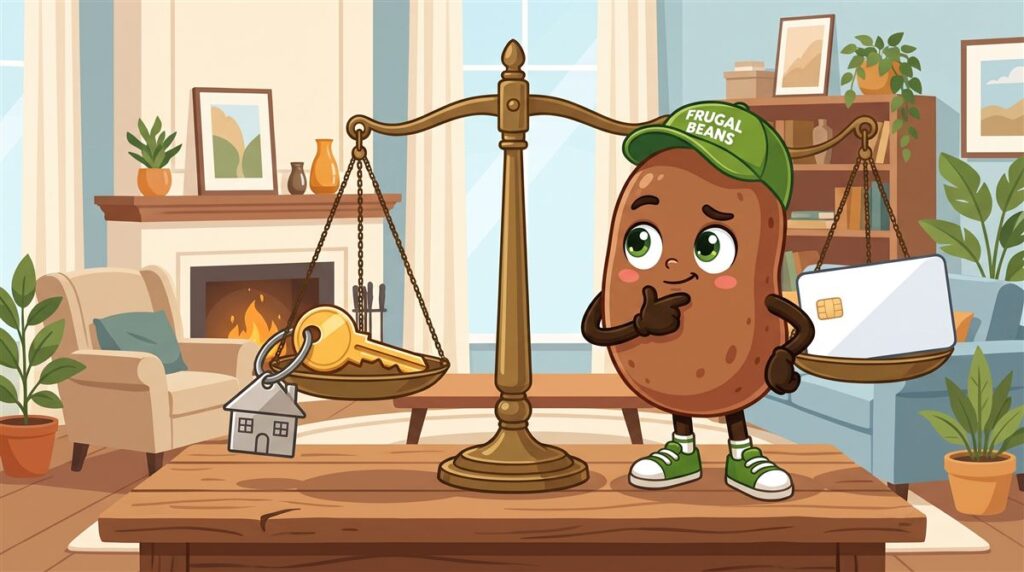
The split between secured and unsecured debt is one of the most practical ways to sort what you owe, because it tells you what is at stake if you fall behind.
Secured debt
Secured debt is backed by collateral, something of value the lender can claim if the loan is not repaid. Mortgages (backed by the home), auto loans (backed by the vehicle), and title loans (backed by the vehicle title) are the classic examples. Because the lender has that backup, secured loans often carry lower rates. The trade-off is serious: missed payments can eventually cost you the house or the car.
Unsecured debt
Unsecured debt has no specific collateral. Most of the types of debt people juggle every month sit here: credit cards, most personal loans, medical bills, many student loans, and most BNPL plans fall in this group. Lenders rely on your credit history and income instead, so rates are often higher. Falling behind will not lead straight to repossession, but it can bring late fees, a damaged credit report, collection calls, and, in some cases, a lawsuit.
Why it matters for your plan
Understanding secured and unsecured debt helps you set priorities when money is short. Keeping the mortgage or rent and the car you need for work current usually comes first, because losing those assets creates new, bigger problems. It also explains why turning unsecured debt into secured debt, such as using a home equity loan to pay off credit cards, deserves careful thought: a lower rate can help, but your home is now on the line for spending that used to be unsecured.
How Home Repairs Turn Into High-Interest Debt
One of the most common ways households slide into high-interest debt has nothing to do with shopping. It is the surprise repair, and it can push even careful households into the costliest types of debt. A furnace quits in January, the water heater leaks, or the roof starts dripping, and the bill lands on a credit card or a quick loan because there is no other option that week.
Before you borrow for a big repair, check whether the repair is worth making at all. Our free repair or replace calculator compares the quote with the cost of a new unit and the unit’s age, which can keep you from taking on new types of debt for a system that is about to fail anyway.
Those balances are easy to underestimate, and they can quietly stall a debt payoff plan you already started. The repair is necessary, so it does not feel like “spending,” yet it can sit on a card for months at a high rate. The best defense is knowing what is coming. Major home systems wear out on fairly predictable schedules, so a small monthly set-aside can turn a future emergency into a planned expense.
Our free Homeowner Repair Cost Playbook lists typical lifespans and repair costs for the big systems in a house, so you can see which ones are getting close and start a repair fund before they fail. For everyday ways to free up that money, see our guide on how to save money at home.
How to Identify the Types of Debt You Have
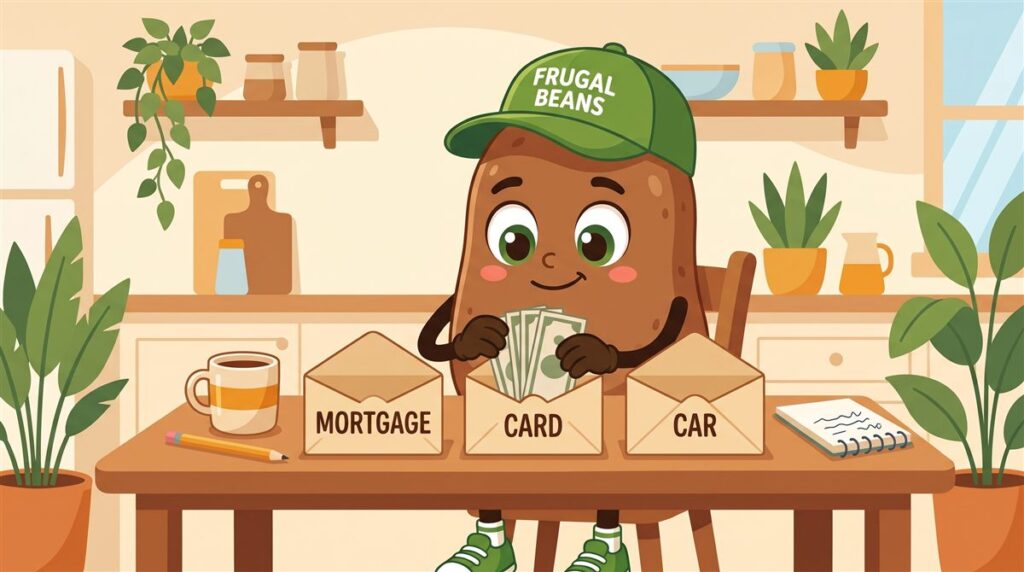
Knowing the definitions is helpful, but the real work is sorting your own accounts. Start a debt inventory using statements, loan portals, collection notices, and paper agreements. A notebook or simple spreadsheet is enough. For each account, record:
- The lender, provider, or collector, and the account type.
- The balance, interest rate, minimum payment, and due date.
- Whether the rate is fixed or variable, and when it can change.
- The remaining term and estimated payoff date.
- Any collateral, fees, promotional deadline, or late-payment consequence.
- Whether the account is current, past due, deferred, or in collections.
Next, run two tests on every line. Ask whether the debt is secured: if a home, vehicle, or title backs it, missed payments can put that asset at risk. Then ask whether it is revolving or installment. Revolving debt offers reusable credit and often no natural end date. Installment debt has scheduled payments and a defined term.
Once each account carries those two labels, you can see the shape of your debt at a glance. Sorting by secured and unsecured debt also shows you which accounts carry the most at stake. Many people find this step alone lowers their stress, because one confusing pile becomes a short list of specific accounts with specific rules. If your budget is already stretched, our tips for saving money on a tight budget can help you find room for extra payments.
Debt Payoff Priorities: Which Debt to Pay First
With the inventory done, you can choose a debt payoff order. Different types of debt call for different priorities. There is no single right answer, but there is a sensible sequence that protects your household while you make progress.
Step 1: Protect essentials
Keep secured accounts current when losing the asset would threaten housing, transportation, or work. Cover the minimum payment on every current account before sending extra money anywhere, so you avoid late fees and credit damage while you plan.
Step 2: Deal with the most urgent costs
Payday and title loans, and any promotional balance about to switch to a high rate or deferred interest, usually deserve early attention because their costs climb fastest. Ask about written repayment options before the next rollover.
Step 3: Choose one payoff method
The avalanche method sends extra money to the highest-rate balance first and usually minimizes total interest. The snowball method targets the smallest balance first and builds momentum through quick wins. Either one beats repeatedly changing plans, because a steady debt payoff method is what actually shrinks balances.

Step 4: Keep going and roll payments forward
When one balance is gone, add its payment to the next target. That rolling effect is what makes a debt payoff plan speed up over time, whichever method you choose.
Practical Tips for Managing All Types of Debt
Protect cash flow. Set reminders or automatic minimum payments, but check the account before withdrawals. Keep a small buffer so one timing error does not create a fee.
Do not confuse consolidation with deletion. A new loan may simplify payments, but compare total repayment, fees, and the risk of running up old accounts again.
Ask questions early. Lenders, medical providers, and servicers are often more willing to discuss options before an account is seriously delinquent. Request changes in writing and keep records.
Build a small emergency reserve. Even a modest cushion can reduce the need for payday loans or credit card borrowing when a tire fails, a child needs care, or a utility bill arrives unexpectedly. Our list of ways to save money is a good place to find the first few dollars, and frugal living for beginners covers the habits that keep that cushion growing.
Stop adding to the pile, whatever types of debt you carry. While you pay down balances, pause new split-payment plans and keep cards out of easy reach for everyday spending. Progress is much faster when the balance is only moving in one direction.
Types of Debt: Frequently Asked Questions
What are the main types of debt?
The most common types of debt for U.S. households are credit cards, mortgages, auto loans, student loans, personal loans, medical debt, payday and title loans, and buy now, pay later or retail financing. They can also be grouped by whether they are secured or unsecured and whether they are revolving or installment.
Is a mortgage good debt?
A mortgage is often considered good debt because it is usually lower-cost and helps you build home equity. It stays “good” only if the payment, taxes, insurance, and repairs fit your budget with room to spare. A house that leaves no margin for emergencies can push other spending onto high-interest cards.
What is the difference between secured and unsecured debt?
Secured debt is backed by collateral, such as a home or car, that the lender can claim if you stop paying. Unsecured debt, like credit cards and most medical bills, has no collateral, so it often costs more, but falling behind does not lead directly to losing a specific asset. Knowing which of your accounts are secured and unsecured debt helps you decide what to protect first.
How do I decide which debt to pay off first?
Keep essential secured accounts and all minimum payments current first. Then tackle the fastest-growing costs, such as payday loans or expiring promotions. After that, pick either the avalanche method (highest rate first) or the snowball method (smallest balance first) and stick with it.
The Bottom Line
The types of debt you have affect interest cost, payment flexibility, payoff timeline, and what you could lose after a default. Credit cards are revolving and often costly. Mortgages and auto loans are secured by property. Medical bills may be negotiated, while payday, title, and split-payment plans carry their own distinct risks.
Whether you are weighing good debt vs bad debt or sorting secured and unsecured debt, make a complete list before choosing a debt payoff strategy. Know each balance, rate, payment, due date, and consequence. Keep essential accounts current, use extra money deliberately, and build a small cushion so the next surprise does not land on a card. Understanding your debt turns one confusing burden into a set of specific, manageable decisions.
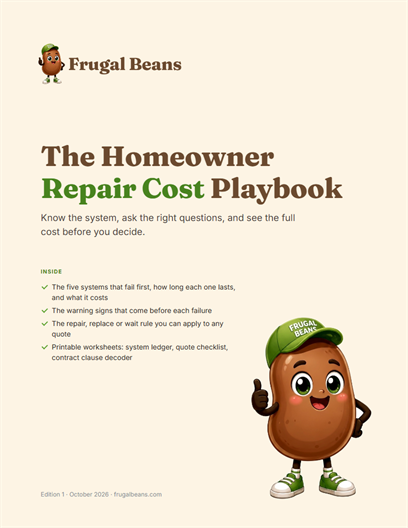
Get the free Homeowner Repair Cost Playbook
Which systems fail first, what they cost, the warning signs, and the repair-or-replace rule. 15 printable pages.
Free. No spam.
Free tool
Repair or replace?
Got a quote for your furnace, AC, water heater or an appliance? Check it in under a minute.
Free tool
What needs replacing next?
Enter the install years for your furnace, AC, water heater and appliances. See what is due first and what to save each month.
Leave a Reply